Every question runs deep.

Ronin means wave person.

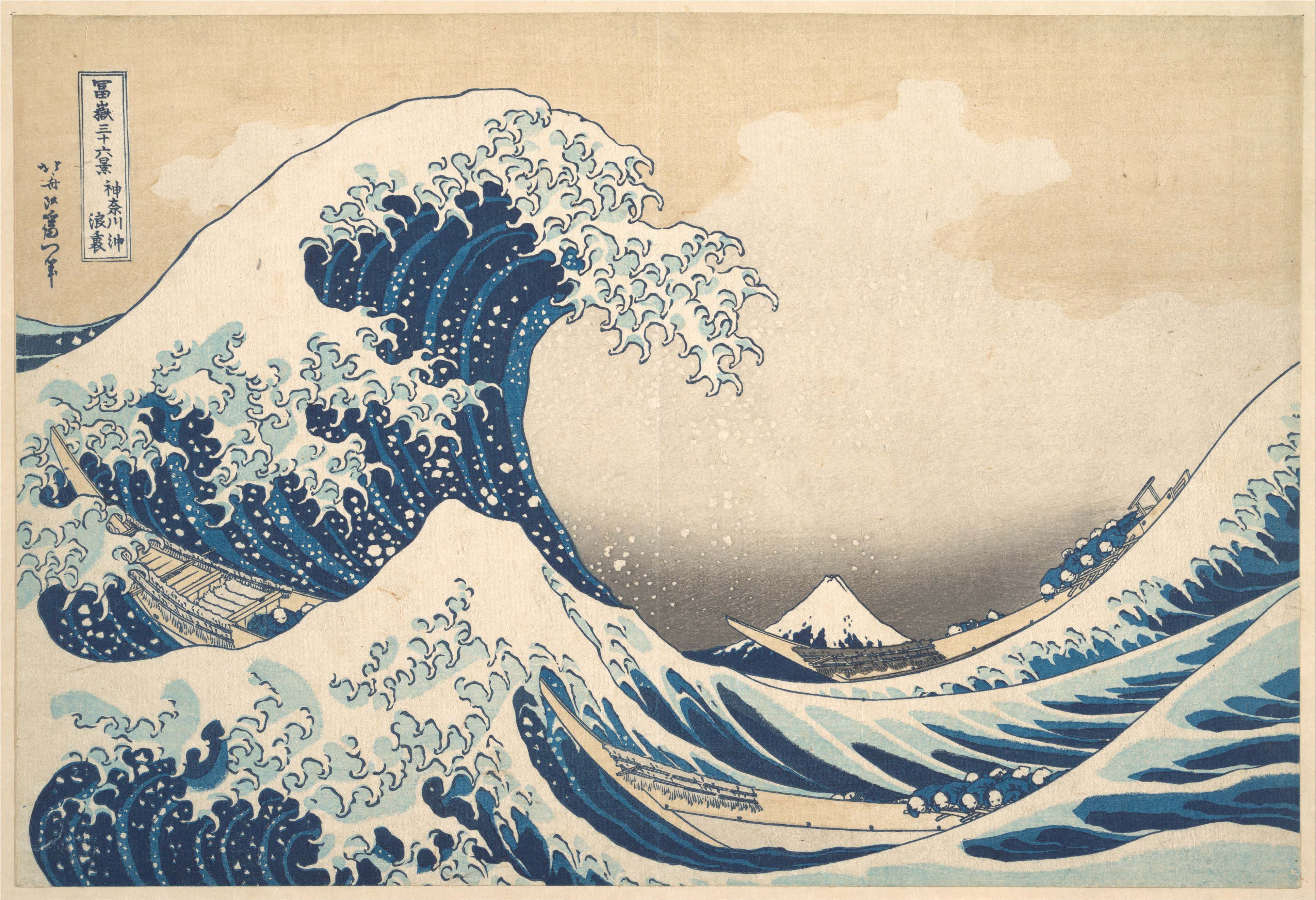
Hokusai's woodblock print of a towering blue wave curling over three boats, Mount Fuji small in the distance.
Katsushika Hokusai, Under the Wave off Kanagawa, about 1830–32.

浪人, rōnin: the characters for wave and person. A samurai with no master, going wherever the road leads.

Ronin does that with a question. No syllabus and no feed deciding for you: pick a thread, follow it as deep as it goes, and the trail is still there when you come back.

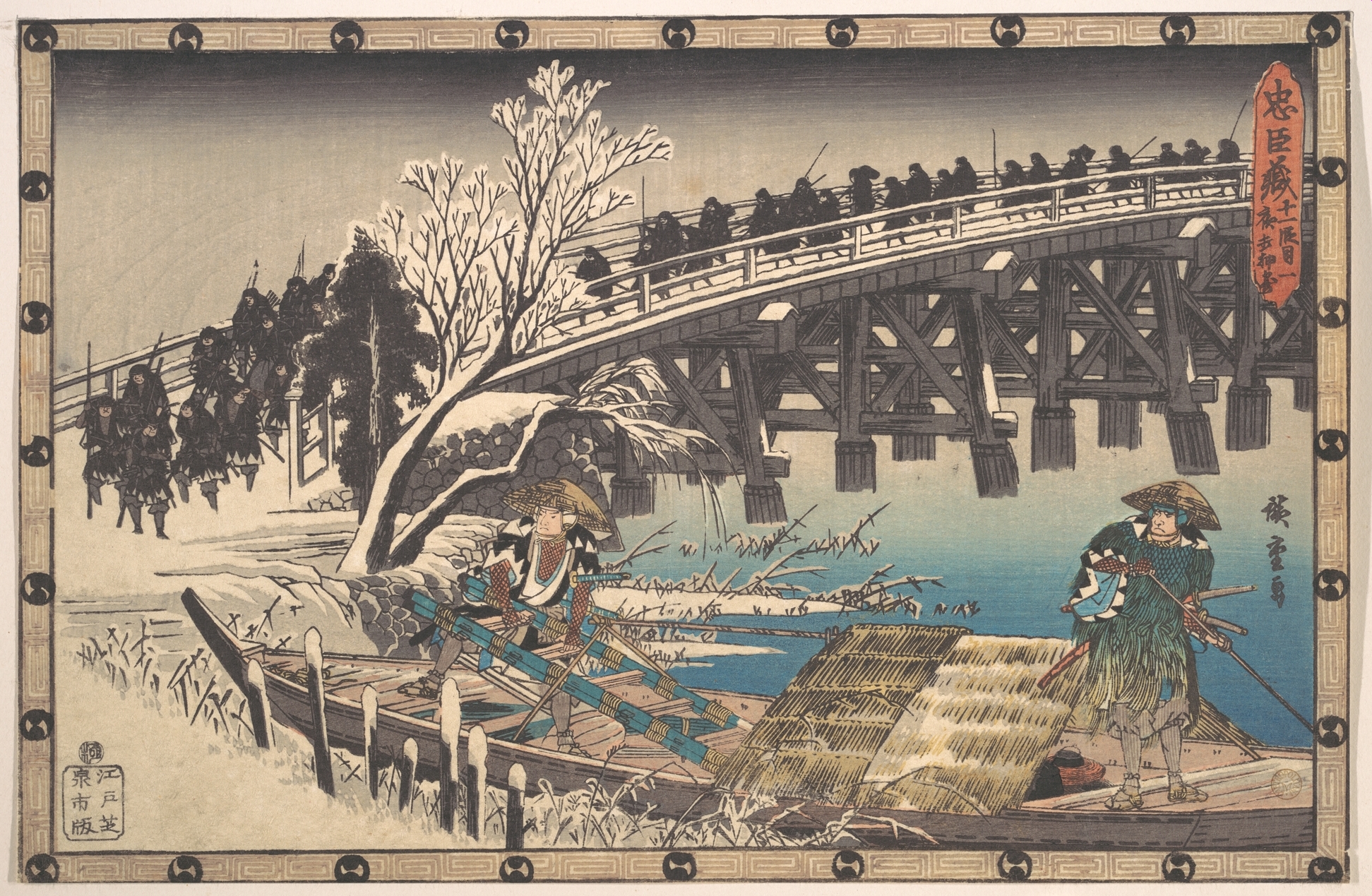
Hiroshige print: a column of ronin crossing a long wooden bridge in snow while two boatmen wait below.
Utagawa Hiroshige, The Loyal Ronin Crossing the Long Bridge, about 1840.

Wandering, never lost. Every concept on the map shows the path that led you to it.

Ask once. Follow it down.

Ronin turns a question into a small, expandable map of ideas. Pick a concept to read its context, follow a branch, and come back to the trail later.

Stage
Work in progress
Thinking
Gemini 2.5 Flash
Sources
Real search citations, or none at all
Your trails
Saved on your machine
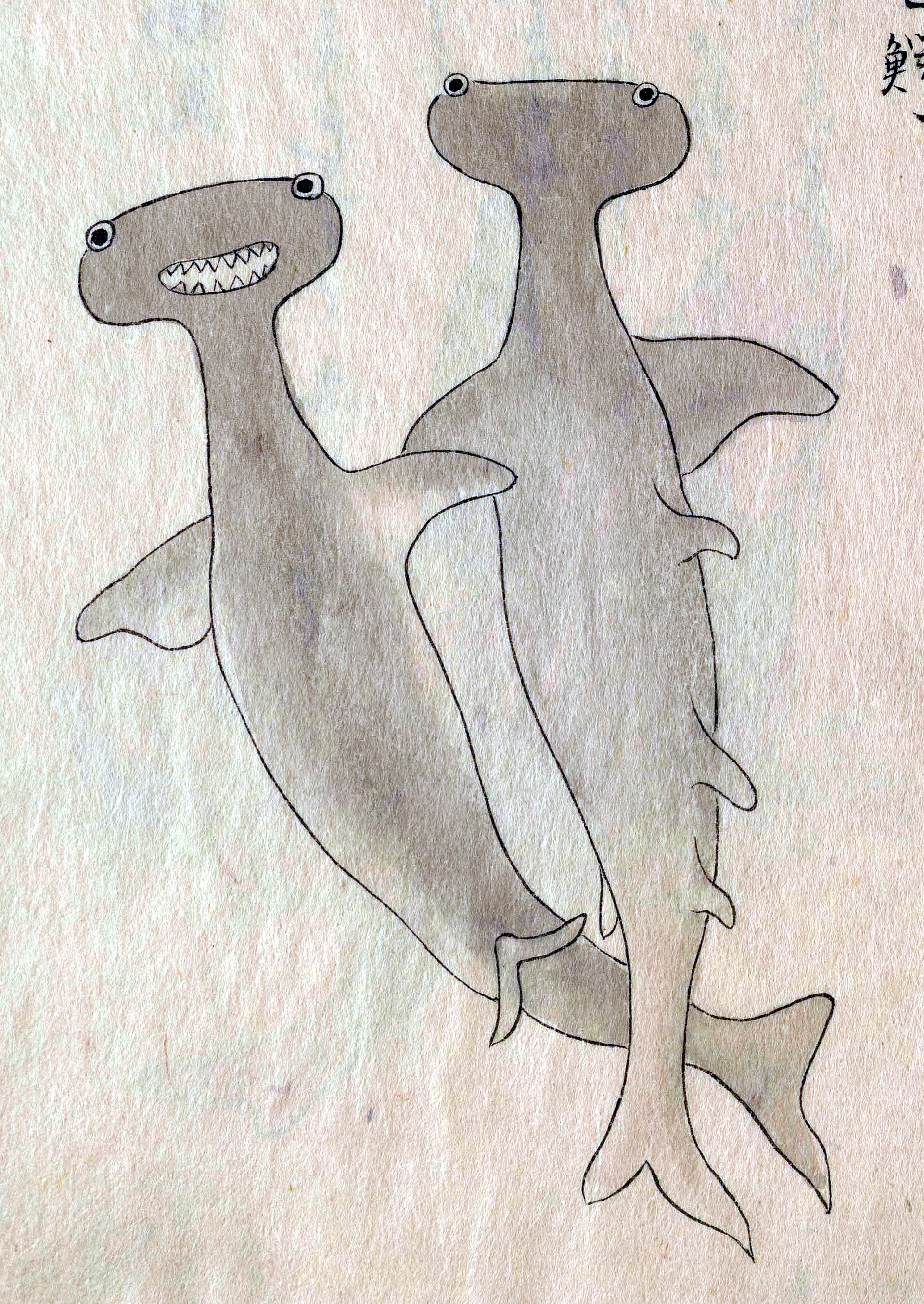
A 19th-century Japanese ink and wash drawing of two grey hammerhead sharks, one grinning with pointed teeth.
Hammerheads from a 19th-century register of the products of Oki Province.

First, ask one question.

Type anything you're curious about. Ronin answers with five first paths, not one long essay.

Ronin · trailAsked
1 question0 visited

Next, a bigger fish.

The sharks are the first creature in this ocean. Something much larger is being drawn for the next release.

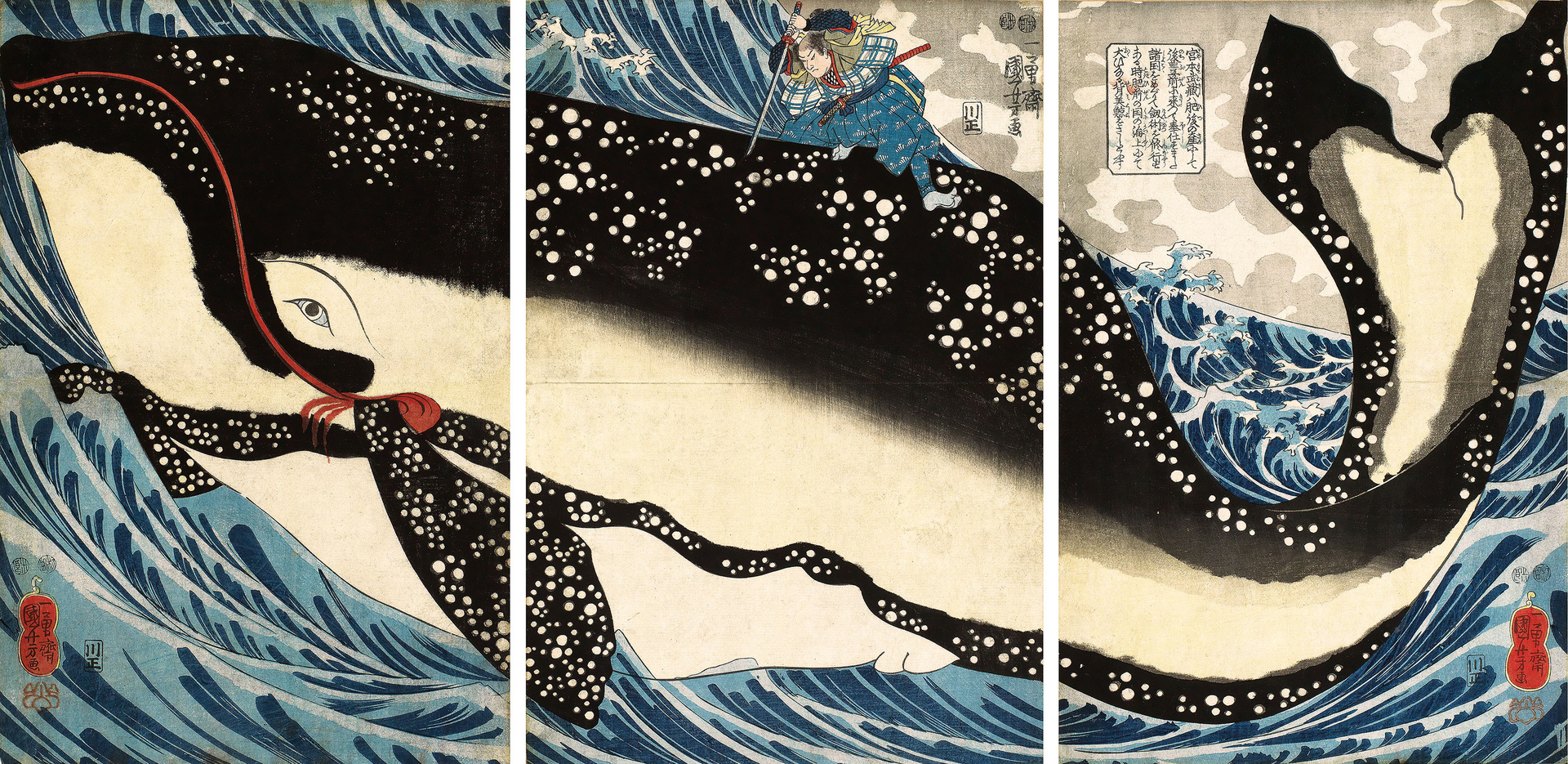
Kuniyoshi triptych: the swordsman Miyamoto Musashi stands on the back of an enormous black whale spotted white, in churning blue waves.
Utagawa Kuniyoshi, Miyamoto Musashi attacking a giant whale, about 1847. Musashi was the best-known ronin of all.

Join the beta

Tell when Ronin

One email when Ronin is ready to try online, and nothing else. Sending opens your mail app with the note already written.